top of page
Kabbah Professional Service S.A.R.L






Matam, Conakry, Guinea
We serve local and
international clients!

Cocoa Exportation
What can KPS-Guinea do for you?
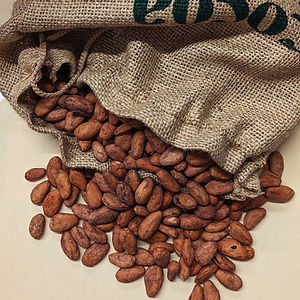
Cocoa refers to the dried and fermented seeds of the cacao tree. These seeds are processed to produce cocoa powder and cocoa butter. We provide expertise on how your company can maximize strategy, increase profits, add value, and resolve issues.
Cocoa in Guinea
Cocoa beans come in several main varieties, primarily Criollo, Forastero, and Trinitario. Forastero is the most common, while Criollo is rare and prized, and Trinitario is a hybrid of the two. Once processed, cocoa beans are transformed into forms such as cocoa powder, cocoa nibs, chocolate liquor, and cocoa butter, with the term "cacao" referring to the unroasted bean and "cocoa" referring to the roasted bean and its processed forms.
Guinea, located in West Africa, has steadily been increasing its cocoa production and exportation in recent years and is now one of the emerging cocoa producers on the continent. In 2023, it exported $216M of Cocoa Beans, making it the 10th largest exporter of Cocoa Beans (out of 134) in the world.
Cocoa Production in Guinea
-
Growing Regions: Cocoa is primarily grown in the forested areas of Guinea's southern regions, especially in places like Nzérékoré, Kankan, and Faranah. The climate in these areas, with high rainfall and rich soil, is ideal for cocoa farming.
-
Farm Size: Most cocoa farms in Guinea are small to medium-scale, often family-run businesses. Smallholder farmers dominate the sector, though there are efforts to modernize and increase farm productivity.
-
Production Volume: Guinea produces a few tens of thousands of tons of cocoa per year. For example, in 2020, Guinea's cocoa production was around 50,000 to 60,000 metric tons.
Cocoa Exportation
-
Export Markets: Guinea exports most of its cocoa to European countries, particularly France, the Netherlands, and Germany. The European Union is a major market for African cocoa in general, and Guinea benefits from this regional demand.
-
Export Value: Cocoa is one of Guinea's key agricultural exports, though it does not yet account for a large portion of the country's GDP. In recent years, the country has worked to improve the infrastructure and market access to increase the export volume.
-
Export Challenges:
-
Infrastructure: One major issue has been the lack of proper infrastructure like roads and storage facilities, which affects the efficiency of cocoa exportation.
-
Quality Control: Cocoa quality can sometimes be inconsistent, impacting the competitiveness of Guinean cocoa on the global market. There have been efforts to improve farming techniques and post-harvest practices, but challenges remain.
-
Global Price Fluctuations: Like many cocoa-exporting nations, Guinea is vulnerable to the volatility of global cocoa prices, which can affect the revenue generated from exports.
-
Sustainability and Development
-
Sustainability Efforts: There are ongoing efforts to make cocoa production in Guinea more sustainable. This includes promoting fair trade practices and supporting the Fairtrade certification for farmers. There are also initiatives to encourage agroforestry and sustainable land management practices to protect the environment.
-
Support from International Bodies: Organizations like the International Cocoa Organization (ICCO) and the World Cocoa Foundation have provided technical assistance to improve cocoa quality and productivity. Additionally, some development programs are focused on improving the livelihoods of cocoa farmers, promoting gender equality in the sector, and enhancing overall community development.
Cocoa and Development
-
The cocoa sector plays a significant role in rural development in Guinea, providing jobs to many farmers and workers in the sector.
-
There is a push to improve the livelihoods of cocoa farmers through better access to finance, training, and infrastructure.
In summary, while cocoa exportation in Guinea is still relatively small-scale compared to the cocoa-producing giants in West Africa, there are significant opportunities for growth. With continued investment in infrastructure, sustainability practices, and quality control, Guinea could become a more important player in the global cocoa market.


bottom of page