top of page
Kabbah Professional Service S.A.R.L






Matam, Conakry, Guinea
We serve local and
international clients!
Construction
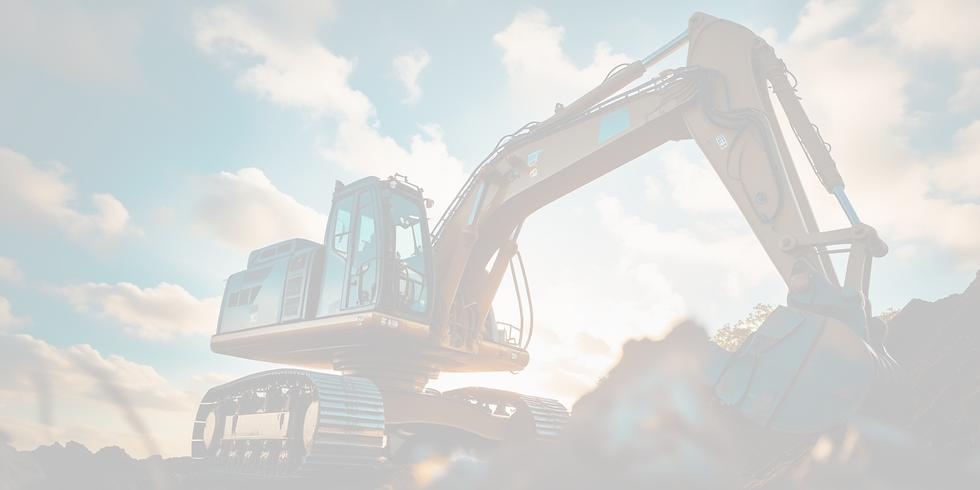
Guinea’s construction industry is relatively small (under 5% of GDP) but growing, driven mainly by large-scale mining and energy projects. Major developments include the $20 billion Simandou iron ore project with rail and port infrastructure, as well as hydropower plants like Souapiti and Kaleta. Despite strong potential, the sector faces challenges such as weak infrastructure, political instability, and safety concerns. Overall, construction in Guinea is closely tied to its mining wealth and energy expansion, offering opportunities with good governance and transparency.
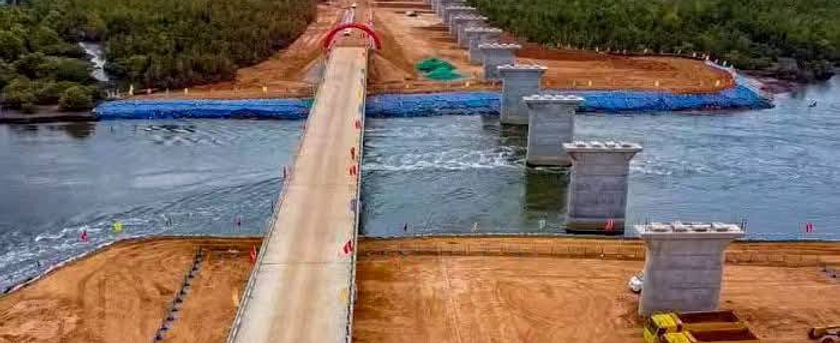
Trans-Guinean Railway Project
What can KPS-Guinea do for you?
Construction investment encompasses various methods of channeling capital into the construction industry with the expectation of future returns. It's a key driver of economic activity and offers diverse opportunities for investors looking for stability and long-term growth. We create short- and long-term investment strategies, overseeing a portfolio’s asset allocation and developing a tax strategy.
Guinea's Construction Industry
Economic Role and Scale
-
The construction sector in Guinea remains relatively small, contributing under 5% of GDP—around USD 427 million in 2022.
-
Much of the activity in construction is driven by infrastructure needs related to the dominant mining sector, rather than standalone civil or residential development.
Mining-Driven Construction Boom
-
Large-scale mining projects, especially involving bauxite and iron ore, are major drivers of construction.
-
Notable projects include:
-
Expansion of Compagnie des Bauxites de Guinee (CBG) involving USD 660 million in infrastructure.
-
The massive Simandou iron ore project—a USD 20 billion venture—includes a 650 km railway, multiple seaports, metallurgical plants, and road infrastructure aimed at transporting 60 million tonnes annually.
-
Infrastructure & Planning Challenges
-
Infrastructure gaps—such as erratic power supply, poor roads, limited water access outside urban centers, and suboptimal internet connectivity—further constrain construction progress.
-
While improvements are underway (e.g., hydropower projects like Kaleta and Souapiti, plus solar developments), scaling these remains difficult.
Energy Projects Impacting Construction
-
Key energy-related construction initiatives include:
-
Kaleta Hydropower Plant: 240 MW, completed in 2015 (cost: USD 527M).
-
Souapiti Hydropower Station: 550 MW, under construction, estimated cost USD 2 billion.
-
Koukoutamba Hydropower Station: Planned 294 MW project (cost: USD 812 million), financed by China’s Exim Bank.
-
Khoumagueli Solar Plant: Planned 40 MW solar PV to support Guinea’s grid and stabilize hydro power during daylight.
-
Opportunities through Refinery Expansion
-
Guinea is pursuing downstream value addition with a non-binding agreement to build a second alumina refinery (capacity: 2 million tonnes annually) with an estimated investment of USD 4 billion. Completion is targeted by 2026.
bottom of page