top of page
Kabbah Professional Service S.A.R.L






Matam, Conakry, Guinea
We serve local and
international clients!
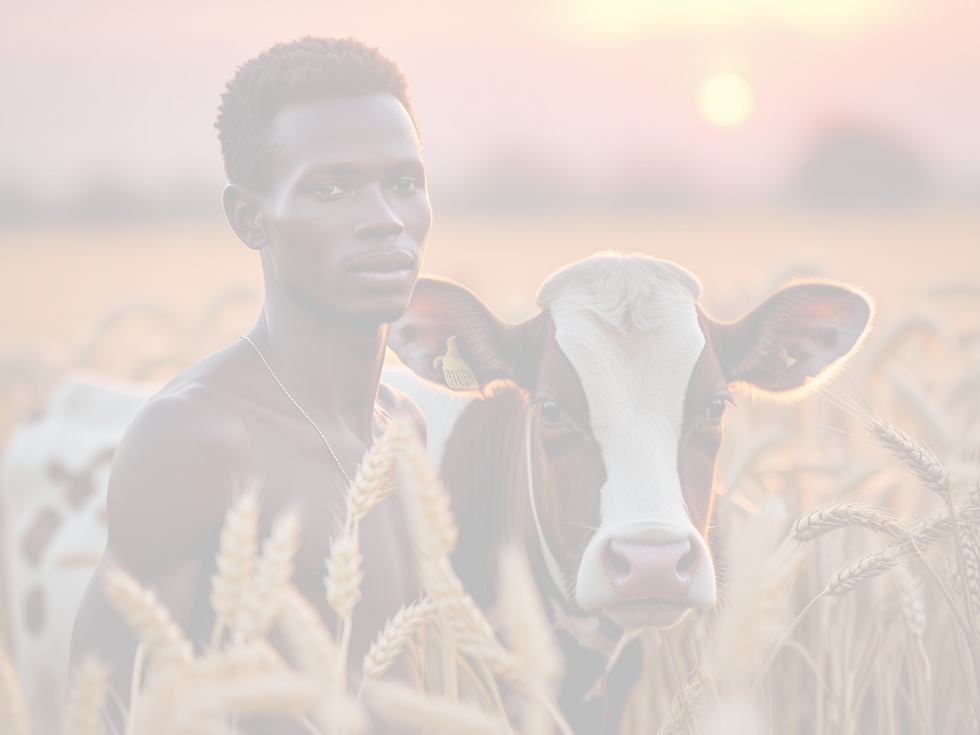
Agriculture
What can KPS-Guinea do for you?
Agricultural investments offer compelling opportunities driven by population growth, increasing food demand, and technological advancements. We provide short- and long-term investment strategies, overseeing a portfolio’s asset allocation and developing a tax strategy.
Agriculture in Guinea, West Africa
Farming in Guinea, West Africa is central to the economy and livelihoods, employing nearly 80% of the population. The sector is diverse, spanning crop production and livestock rearing, but it remains largely subsistence-based with untapped potential.
🌱 Crops
-
Staple Foods: Rice is the most important staple, covering over 50% of cultivated land. Other key crops include maize, cassava, sweet potatoes, millet, sorghum, and groundnuts.
-
Cash Crops: Coffee, cocoa, oil palm, bananas, pineapples, and rubber provide income, though production is limited compared to neighboring Côte d’Ivoire.
-
Regional Patterns:
-
Lower Guinea (Coastal): Rice, cassava, bananas, palm oil.
-
Middle Guinea (Fouta Djallon highlands): Potatoes, maize, onions, and vegetables—often for regional export.
-
Upper Guinea (Savannah): Sorghum, millet, groundnuts, cotton.
-
Forest Guinea (Southeast): Coffee, cocoa, rice, kola nuts.
-
-
Challenges: Low mechanization, reliance on rainfall, poor infrastructure (roads, storage, irrigation), and limited access to credit hinder productivity.
🐄 Livestock
-
Livestock contributes about 20% of agricultural GDP.
-
Cattle: Concentrated in Fouta Djallon (Middle Guinea), where Fulani herders dominate.
-
Small Ruminants: Sheep and goats are common across rural households.
-
Poultry: Widely raised in small backyard systems for eggs and meat.
-
Pigs: Present in Forest Guinea, where Islam is less dominant.
-
Constraints: Low productivity due to disease (trypanosomiasis, Newcastle disease, parasites), limited veterinary services, and traditional husbandry practices. Most animals are raised for local markets, with imports (especially poultry and dairy) still filling urban demand.
⚖️ Key Issues & Opportunities
-
Strengths: Fertile soils, varied agro-ecological zones, abundant rainfall, and a young labor force.
-
Weaknesses: Subsistence farming dominates; lack of irrigation and storage causes post-harvest losses up to 30–40%.
-
Opportunities: Expanding irrigated rice production, modernizing potato and horticulture exports, developing livestock value chains (milk, meat, hides), and boosting regional trade (especially with Senegal, Côte d’Ivoire, and Mali).
-
External Support: FAO, World Bank, and bilateral partners are investing in irrigation, seed systems, and animal health programs.
In summary: Farming in Guinea is the backbone of the economy, mixing crop cultivation and livestock herding. While it sustains most households, productivity is low due to traditional practices and weak infrastructure. With investment in irrigation, mechanization, and veterinary care, Guinea has strong potential to become a regional food supplier.
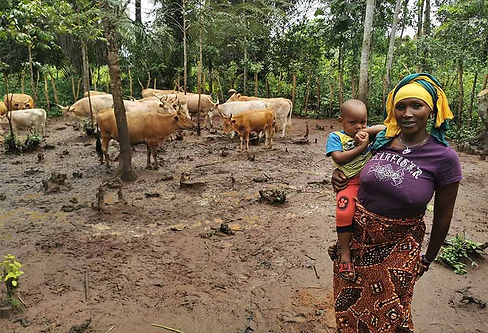
Livestock
(Right) A Guinean livestock farmer's wife and their son.

Crops
(Left) 22-year-old Mariama Camara is a model of bravery for all the young people in her community of Mamou, Guinea. She is a student, head of an agricultural business, and founder of an association that fights violence against women.
Every Sunday, since the age of seven, Mariama joined her mother in the fields to grow potatoes. At 16, she invested 250,000 GNF in growing her own chili, corn, and okra, 25km from Mamou.
Mariama then extended her plot to grow potatoes, peppers, and eggplants. Ms. Camara is just one of many entrepreneurs in Guinea's farming industry.
bottom of page